
Carl From Love Island USA Just Gave Men a Masterclass in Handling Rejection
I hopped on the Love Island bandwagon last year, and I’ll admit it: I thoroughly enjoy watching all these attractive young singles come together with the hopes of finding love. Obviously, the drama keeps me intrigued. And no, we all know this isn’t exactly a realistic way that most people connect in the real world.
But even in the middle of the recouplings, heartbreak, and producer-created chaos, there are still genuine dating lessons we can take away.
This week, I want to talk about Carl and Aniya.
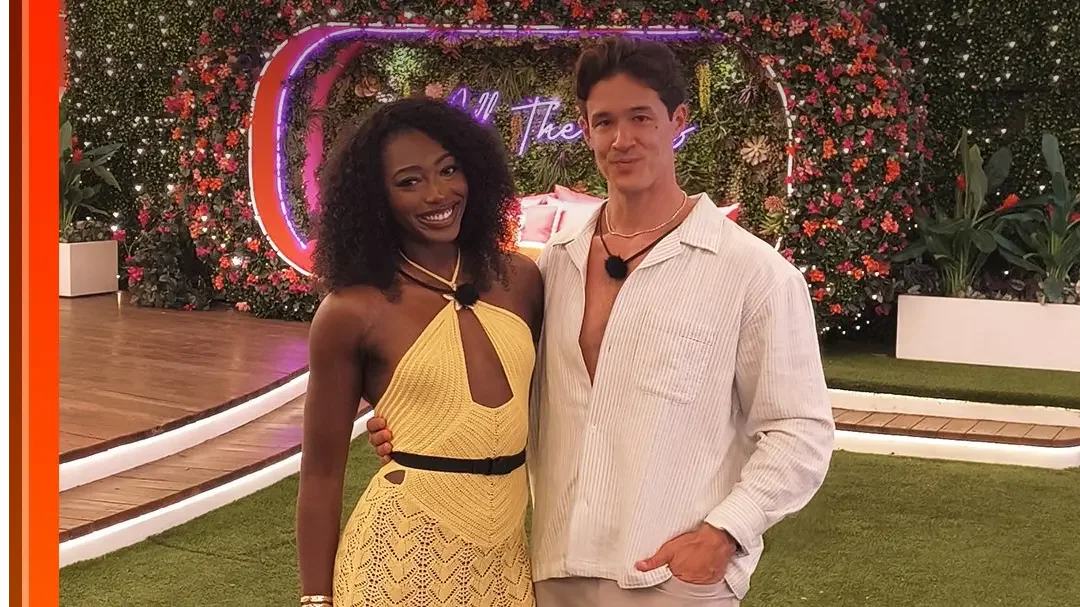
Aniya & Carl Image via Instagram/@loveislandusa
Carl came into Casa Amor with genuine confidence. From the very beginning, he made it clear that Aniya was the person he wanted to get to know. While many Islanders bounced between multiple connections, Carl stayed intentional. He wasn't trying to "win" the game—he was trying to see whether there was real potential between the two of them.
Over the next few days, they developed an easy rapport. They bonded over their shared volleyball background, flirted effortlessly, laughed together, and even shared a kiss. Carl was open about how much he liked her, telling her that she made him feel calm and that he could genuinely picture exploring a relationship with her outside the villa. He never pressured her for reassurance, but he also never hid his feelings.
Aniya appreciated everything Carl brought to the table. She repeatedly acknowledged that he treated her incredibly well and made her feel seen and respected. The problem wasn't Carl—it was that she still had unresolved feelings for KC. Her head seemed to recognize that Carl embodied many of the qualities she wanted in a partner, but her heart wasn't quite ready to let go of the relationship she'd already invested in.
When the Casa Amor recoupling arrived, Aniya made the difficult decision to return to the main villa alone, hoping to continue pursuing KC instead of bringing Carl back with her.
Carl's response was what made me stop and take notice.
You could see the disappointment on his face. Anyone would have been hurt in that moment. But instead of trying to convince her she'd made a mistake, he accepted her decision with grace. He didn't argue. He didn't guilt-trip her. He didn't accuse her of leading him on or tell her she'd regret choosing someone else. He simply respected that she had to make the decision she believed was right for herself.
That moment says far more about Carl's character than whether he ultimately ends up with Aniya.
He understood something many singles forget: attraction cannot be negotiated. You can show someone your best qualities, treat them with kindness, and genuinely care about them—and they still may choose someone else. The mature response isn't to take it personally or lash out. It's to respect their autonomy, wish them well, and walk away knowing you stayed true to your own values.
That matters.
When Attraction Isn’t Mutual
In today’s dating culture, I see so many singles—especially men—become deeply frustrated when they’re rejected.
Dating apps feel exhausting. People ghost. Attraction isn’t always mutual. And somewhere along the way, disappointment starts turning into resentment. Sometimes it even borders on incel rhetoric, where people stop seeing rejection as a normal part of dating and instead blame the entire opposite sex.
It’s an easy trap to fall into. After enough rejection, it’s tempting to believe the problem is everyone else.
But Carl showed us a healthier path.
Carl Chose Confidence Over Entitlement
Carl demonstrated something that is becoming increasingly rare. He showed interest without entitlement. He accepted her decision without attacking her character. He respected that she had every right to choose someone else, even if that decision hurt him.That’s emotional maturity.
Being kind doesn’t mean someone has to choose you.Being respectful doesn’t guarantee romantic chemistry.Being “the better option” in your own mind doesn’t obligate someone else to see it that way.
Dating requires vulnerability because every time you express interest, you’re accepting the possibility that the answer might be “no.”
Rejection Isn’t a Verdict on Your Worth
Too many people treat rejection as evidence that something is wrong with them—or worse, that something is wrong with the opposite sex. Neither is true. Rejection isn’t humiliation. It isn’t failure. It isn’t proof that you were used or led on.
More often than not, it’s simply information. It tells you this particular connection wasn’t aligned. That’s it.
When you can accept rejection without bitterness, you become more emotionally resilient. Ironically, that’s also one of the most attractive qualities you can possess.
The Difference Between Confidence and Entitlement
Now, spoiler alert: Carl is being brought back onto the show, even though Aniya didn’t choose to bring him back from Casa Amor. Clearly, the producers see an opportunity to continue the storyline. But regardless of what happens next between Carl and Aniya, the original lesson doesn’t change.
The goal isn’t to handle rejection well because you hope they’ll change their mind. The goal is to handle rejection well because that’s the kind of person you choose to be. That’s the difference between confidence and entitlement.
Confidence says:
“I know what I bring to the table, and I can accept when someone doesn’t choose me.”
Entitlement says:
“Because I like you, you should like me back.”
One creates emotional safety. The other creates pressure. And when people are looking for a healthy, long-term relationship, emotional safety will always matter more than pressure.
Handle Rejection Like Carl
The next time someone doesn’t choose you, remember Carl. Feel disappointed. Feel human. But don’t let rejection turn you into someone you wouldn’t respect.
You can be hurt without becoming bitter. You can be rejected without losing confidence. You can walk away without making someone else the villain. That isn’t weakness. That’s maturity.
And whether Carl and Aniya end up together or not, he has already shown something far more important than winning a reality dating show. He showed us what emotional security looks like. That’s a lesson every single—whether you’re meeting people on Hinge, through friends, or even on Love Island—would benefit from learning.