
The Manosphere Is Selling a Fantasy—And Too Many People Are Buying It
There is a new documentary on Netflix called Louis Theroux: Inside the Manosphere that has quietly sparked an important conversation about modern dating.
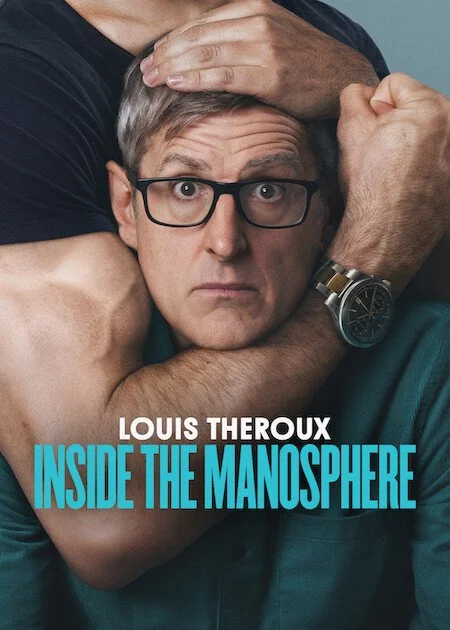
Image: Netflix
On the surface, it explores a corner of the internet where hyper-masculinity, dominance, and rigid gender roles are being positioned as the solution to men’s dating struggles. These creators speak with certainty. They offer rules, structure, and a sense of control in what feels like an increasingly unpredictable dating landscape.
But if you watch closely, this is not just about extreme personalities online. This is about something far more relevant to the South Asian community.
Because the underlying mindset being promoted in these spaces is already showing up in everyday dating, in quieter and more socially acceptable ways.
Why This Conversation Matters Now
For many South Asian singles, dating today feels like a constant negotiation between tradition and modernity. On one hand, there are still deeply rooted expectations around marriage, family, and timelines. On the other, there is increasing independence, exposure, and choice.
What is missing for many people is clarity.
So when a voice comes along that offers simple answers—no matter how flawed—it can feel reassuring. The manosphere thrives on that need for simplicity. It replaces nuance with certainty and complexity with control.
However, what the documentary reveals is that this guidance is not actually designed to help people build healthy relationships. It is designed to attract attention, create dependency, and ultimately generate profit.
The Myth of One-Way Monogamy
One of the most telling ideas presented in the documentary is the concept of what some call “one-way monogamy.” In this model, the man is free to see multiple partners, while the woman is expected to remain loyal and accepting of this arrangement.
In theory, these men claim their partners are comfortable with this dynamic.
In reality, when those partners are actually asked, a very different picture emerges. Many of the women express discomfort, hesitation, or quiet resignation rather than genuine agreement.
This is not a new relationship structure. It is a power imbalance that has been repackaged as confidence.
Within South Asian dating, this dynamic often appears in more subtle forms. Men may expect flexibility for themselves while holding women to stricter standards. Women may tolerate behavior early in a relationship, hoping that things will improve over time rather than addressing it directly.
The truth is simple.
If a relationship requires one person to suppress their needs in order to maintain it, it is not sustainable. Healthy relationships are built on mutual agreement, not silent compromise.
When the Manosphere Shows Up in Desi Dating
If it is tempting to dismiss the manosphere as an online phenomenon, a recent viral story from India brings this conversation much closer to home.
An IIT-educated, divorced man approached a matchmaker with a list of requirements for his future partner. He wanted a woman who was under 30, had no dating history, was a virgin, and belonged to his caste—despite having been married before himself.
The story spread quickly, not because it was shocking, but because it felt familiar.
When the matchmaker questioned the contradiction, asking why a woman with no past should accept a man who already had one, his response was straightforward. He said that it was acceptable because he was a man.
This example is not an outlier. It reflects a broader mindset that exists across many dating environments.
It mirrors the same themes we see in the manosphere:
Control framed as standards
Double standards justified as logic
Entitlement presented as preference
Whether it is described as “one-way monogamy” or as expectations around purity and past relationships, the underlying principle remains the same.
Rules for one person. Freedom for the other.
A relationship built on unequal expectations will eventually collapse under the weight of that imbalance.
Education Does Not Equal Emotional Maturity
What makes the viral story particularly important is that it challenges a common assumption within South Asian culture.
The man in question was highly educated and professionally successful. On paper, he would be considered an ideal match by many traditional standards.
And yet, his expectations revealed a significant gap in emotional awareness and relational understanding. This is something that shows up frequently in modern dating.
Professional success, academic achievement, and social status do not automatically translate into emotional maturity. No degree teaches someone how to communicate effectively, navigate conflict, or build mutual respect within a relationship.
As a result, many high-achieving individuals find themselves struggling in dating, not because they lack qualifications, but because they lack the skills required to sustain a healthy partnership.
The Business Behind the Messaging
Another important layer of the documentary is the business model driving these narratives.
Many of the voices within the manosphere are not simply sharing opinions. They are building monetized platforms. They sell courses, supplements, coaching programs, and investment opportunities, often targeting young men who feel uncertain about their place in the dating world.
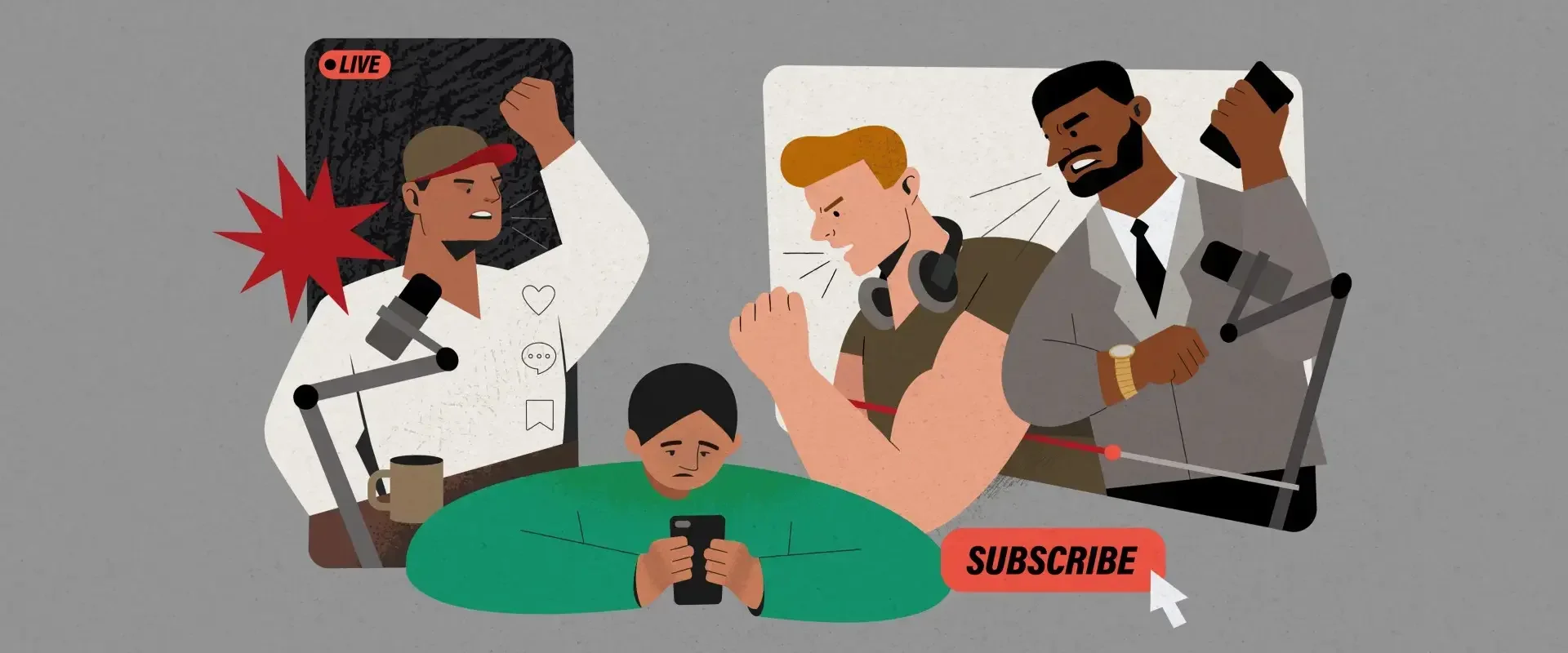
Illustration: UN Women/Poompat Watanasirikul
These systems rely on maintaining a sense of inadequacy.
If someone feels confident, secure, and grounded, they are far less likely to continue purchasing solutions. But if they feel confused or behind, they are more likely to keep searching for answers.
This dynamic is not unique to the manosphere. In many ways, it reflects patterns that already exist within South Asian culture, where external validation and societal pressure can shape deeply personal decisions about relationships.
Any system that benefits from your insecurity is not designed to help you build clarity. It is designed to keep you searching.
What This Means for South Asian Singles

At its core, this conversation is not about a documentary or a viral headline. It is about how we approach relationships in a world that is increasingly influenced by external voices.
For men, the takeaway is not to reject self-improvement, but to redefine it. True growth is not about control or dominance. It is about consistency, accountability, and emotional discipline.
For women, the takeaway is to look beyond surface-level confidence and recognize the difference between performance and substance. Not every strong personality reflects true stability.
For everyone, the most important shift is this: Healthy relationships are built in the middle. Not in extremes. Not in rigid rules. Not in performative identities. But in mutual respect, shared values, and a willingness to grow together.
The Real Takeaway
The manosphere is not powerful because it is right. It is powerful because it is simple.
And in a world where dating has become complicated, simplicity is easy to accept—even when it is misleading. But real relationships are not built on shortcuts. They are built on awareness, effort, and alignment.
The ideas being promoted in these spaces are not entirely new. They have existed in different forms for generations.
The difference now is visibility. The manosphere did not create these dynamics. It simply made them louder.
And the responsibility now lies with each of us to decide whether we follow the noise—or build something more grounded, more balanced, and ultimately more real.