
The Most Powerful Look at the Met Gala Wasn’t the Loudest One
Every year, I look forward to the Met Gala.
As someone who loves pop culture, fashion, storytelling, and the way culture evolves through art, the Met Gala has become one of my favorite annual conversations to unpack here on the blog. And every year, I find myself especially excited to see how South Asians show up on one of the world’s biggest fashion stages.
Because for so long, South Asian fashion, artistry, and craftsmanship were viewed as niche or “ethnic” rather than global. And now, we’re finally watching our culture move mainstream in a way that feels intentional, celebrated, and impossible to ignore. This year was no different.
From couture inspired by Raja Ravi Varma paintings to looks honoring Indian contemporary artists, hand embroidery, heirloom jewelry, and traditional textile work, South Asians didn’t just attend the Met Gala this year — they brought our stories with them.
Fashion became more than clothing. It became representation. It became art. It became a way for South Asians to proudly showcase our heritage, craftsmanship, beauty, and identity to the rest of the world.
And honestly, I loved seeing it. I loved seeing Indian designers receive global recognition. I loved seeing South Asian celebrities embrace our culture unapologetically on a stage that once felt inaccessible to people who looked like us. I loved seeing our fabrics, our silhouettes, our jewelry, our artistry, and our storytelling treated as couture rather than costume.
For so many South Asians growing up in the diaspora, there was a time when we were taught to minimize parts of ourselves in order to fit in. Our clothes were “too traditional.” Our jewelry was “too much.” Our fabrics were “too flashy.” Our culture was often misunderstood or reduced to stereotypes.
And now, the world is finally beginning to understand what we already knew: South Asian craftsmanship has always been art. This year’s Met Gala felt like another reminder of that reality.
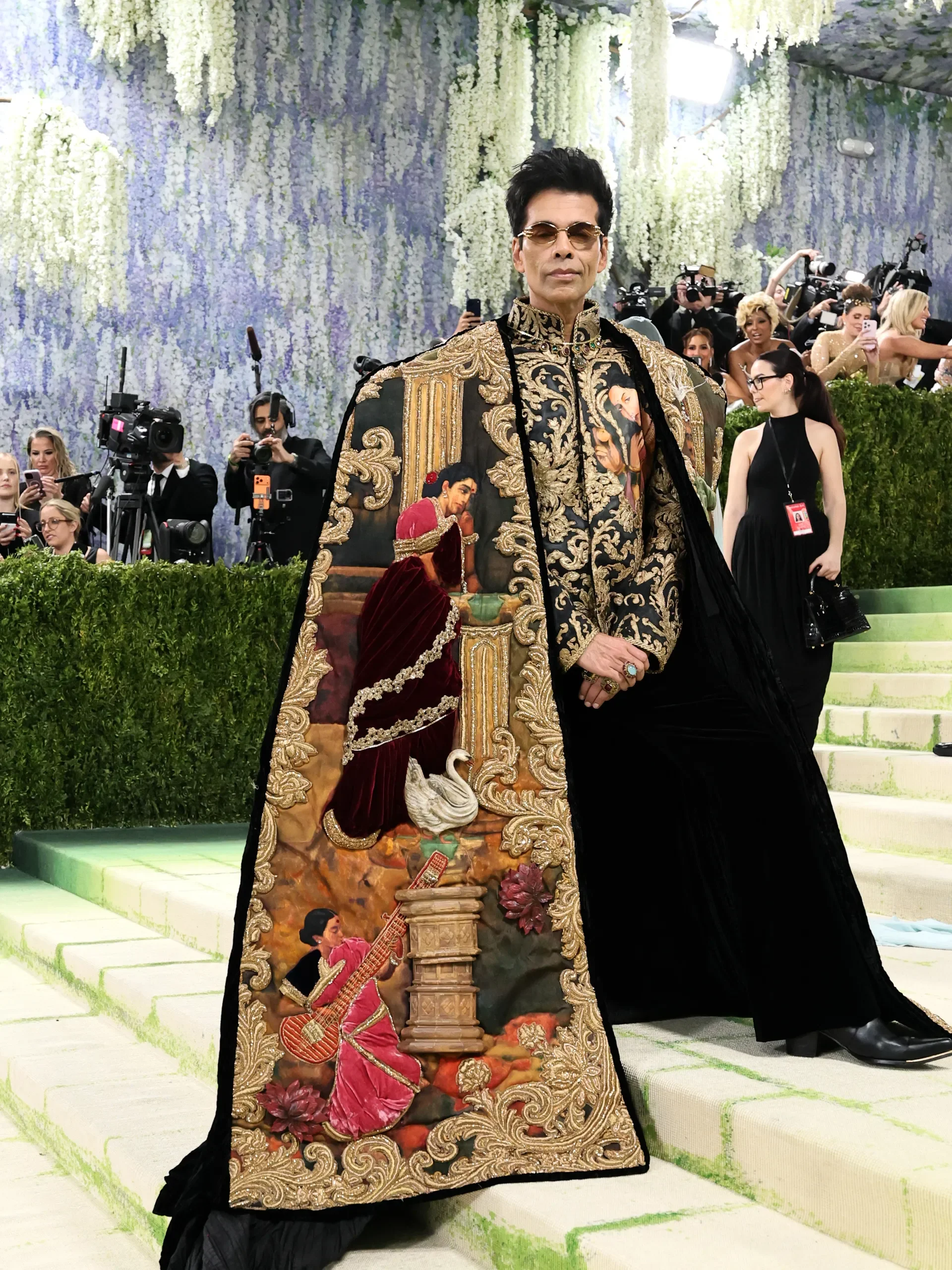
Karan Johar made his Met Gala debut in a dramatic Manish Malhotra ensemble inspired by the paintings of Raja Ravi Varma and handcrafted by dozens of Indian artisans. The look celebrated maximalism, heritage, and storytelling all at once.
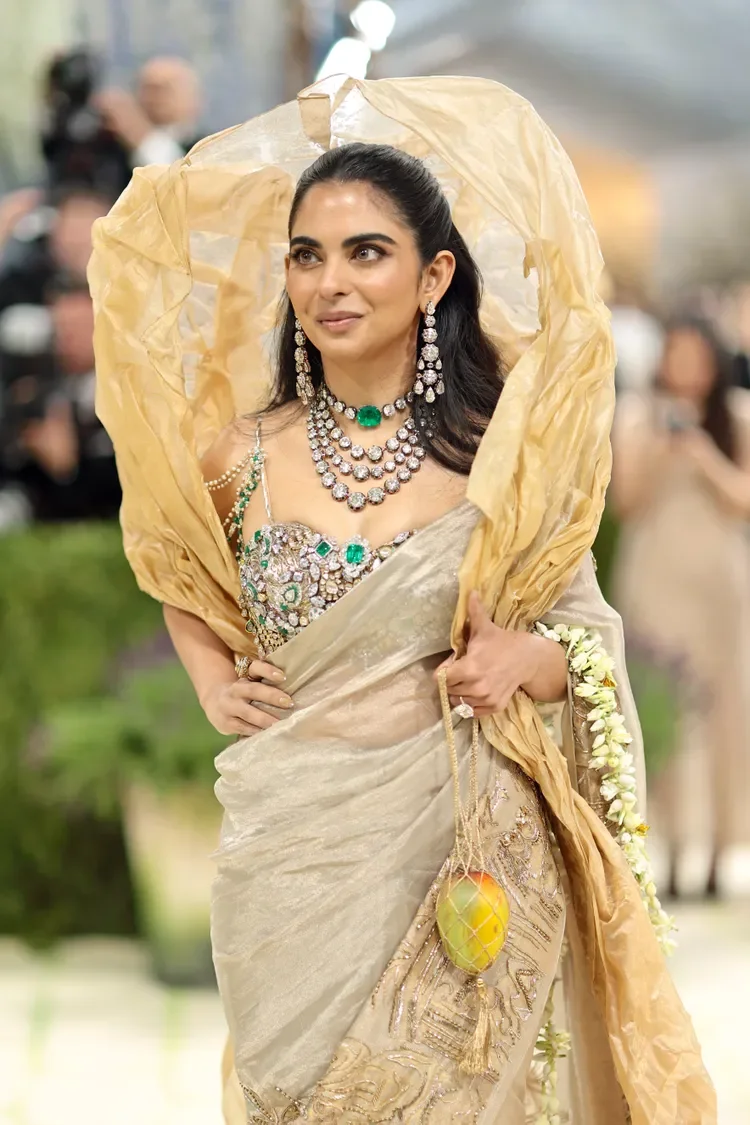
Isha Ambani incorporated heirloom jewelry, Indian weaving traditions, and references to contemporary Indian artist Subodh Gupta into her look, blending old-world craftsmanship with modern luxury in a way that felt deeply rooted in Indian identity.
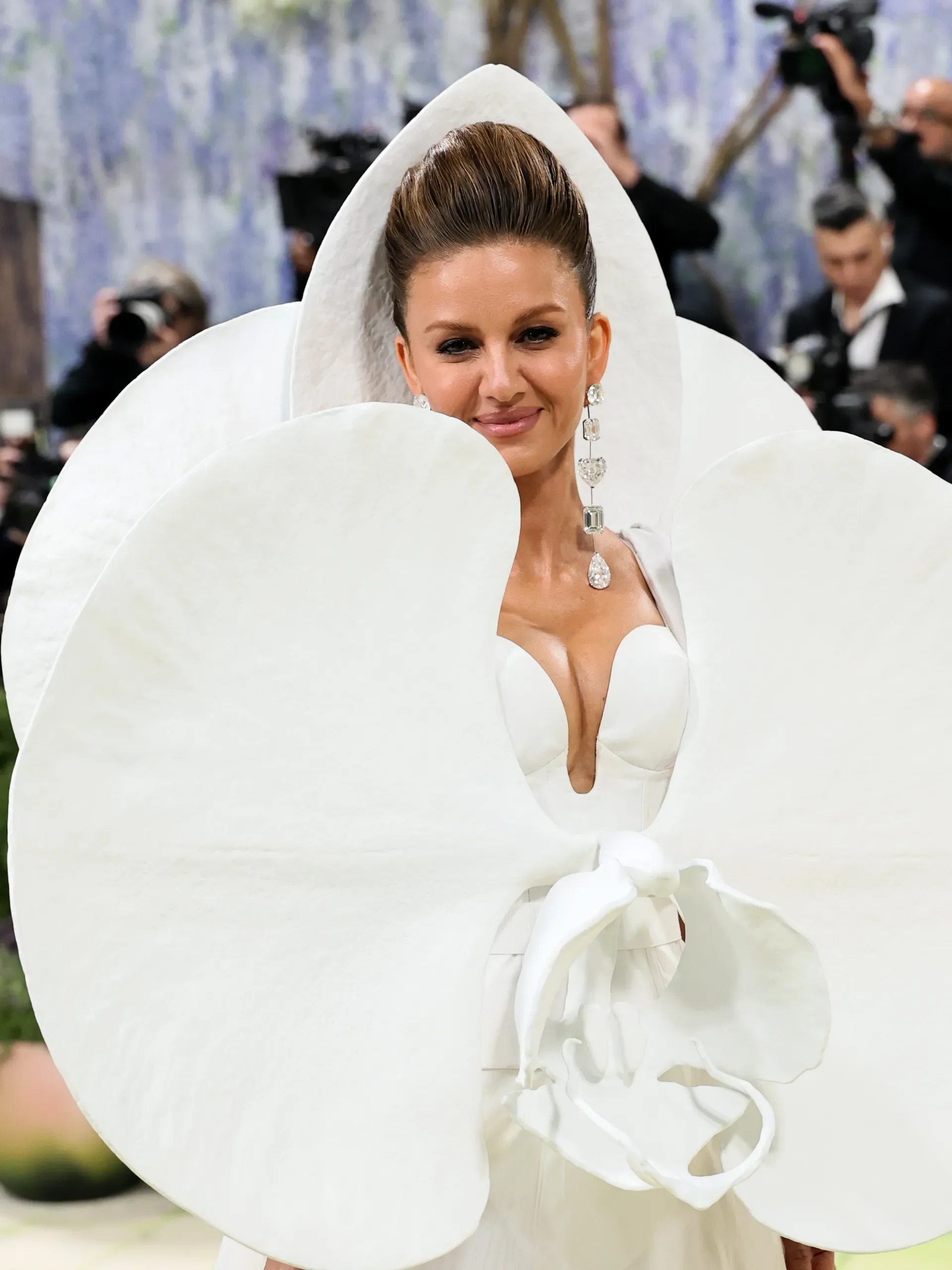
Natasha Poonawalla once again transformed herself into wearable art, embracing avant-garde fashion through sculptural silhouettes and highly conceptual styling.
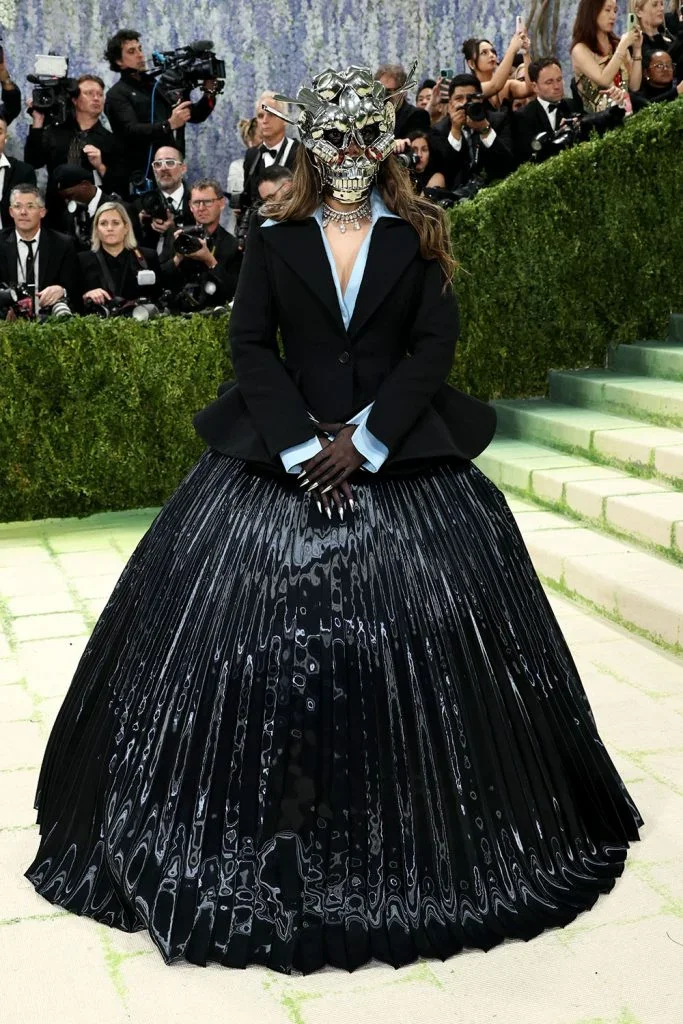
And Ananya Birla used her debut to highlight Indian contemporary art through couture, including a metallic face piece connected to Gupta’s artistic influence and another look inspired by M.F. Husain’s iconic work The Woman with the Sitar.
Every single one of these women used fashion to tell a story larger than themselves. And yet, strangely enough, the South Asian look that fascinated me most this year was actually one of the simplest. Bhavitha Mandava — Chanel’s Indian ambassador — sparked controversy online after arriving at the Met Gala in what appeared to be a simple blouse and jeans.
People immediately criticized the outfit. “It’s too basic.” “This doesn’t belong at the Met Gala.” “She underdressed.” “She could have done more.” But the story behind the look is what made it brilliant.
Bhavitha was famously discovered on a New York City subway platform before eventually becoming the first Indian model to open a Chanel show. Her Met Gala look, designed by Chanel’s Matthieu Blazy, was intentionally inspired by the outfit she was wearing the day she was discovered. What looked like ordinary denim was actually couture craftsmanship painstakingly recreated as wearable art.
And honestly? The more I thought about the backlash surrounding her outfit, the more it reminded me of women navigating modern dating. Because whether it’s the Met Gala or dating culture, women are constantly being evaluated on performance.
Women Are Taught That Love Requires Performance
From a very young age, women are taught that being chosen is tied to presentation. Not just beauty — performance.
Be attractive. Be polished. Be impressive. Be accomplished. Be feminine. Be emotionally intelligent. Be family-oriented. Be independent. Be modern. Be traditional. Be confident, but not intimidating. Be successful, but still “easygoing.”
And South Asian women, especially, are often balancing impossible contradictions. We are told to achieve everything while simultaneously making sure our success remains digestible. We are encouraged to build careers, independence, confidence, and ambition — but we are also subtly reminded not to become “too much” in ways that might threaten marriageability.
Many women enter dating feeling like they need to become a perfected version of themselves before they deserve partnership. A better body. A better wardrobe. A more impressive career. A more curated personality. A more feminine energy. A more “marriageable” lifestyle. And eventually, dating stops feeling like connection. It starts feeling like branding.
Dating apps only intensify this pressure. Profiles become marketing campaigns. Photos become PR strategy. Conversations become auditions. First dates become performances. Women start asking themselves: “How do I make myself desirable?” instead of: “How do I feel when I’m around this person?”
That shift changes everything. Because when dating becomes performance-based, women stop focusing on compatibility and start focusing on approval.
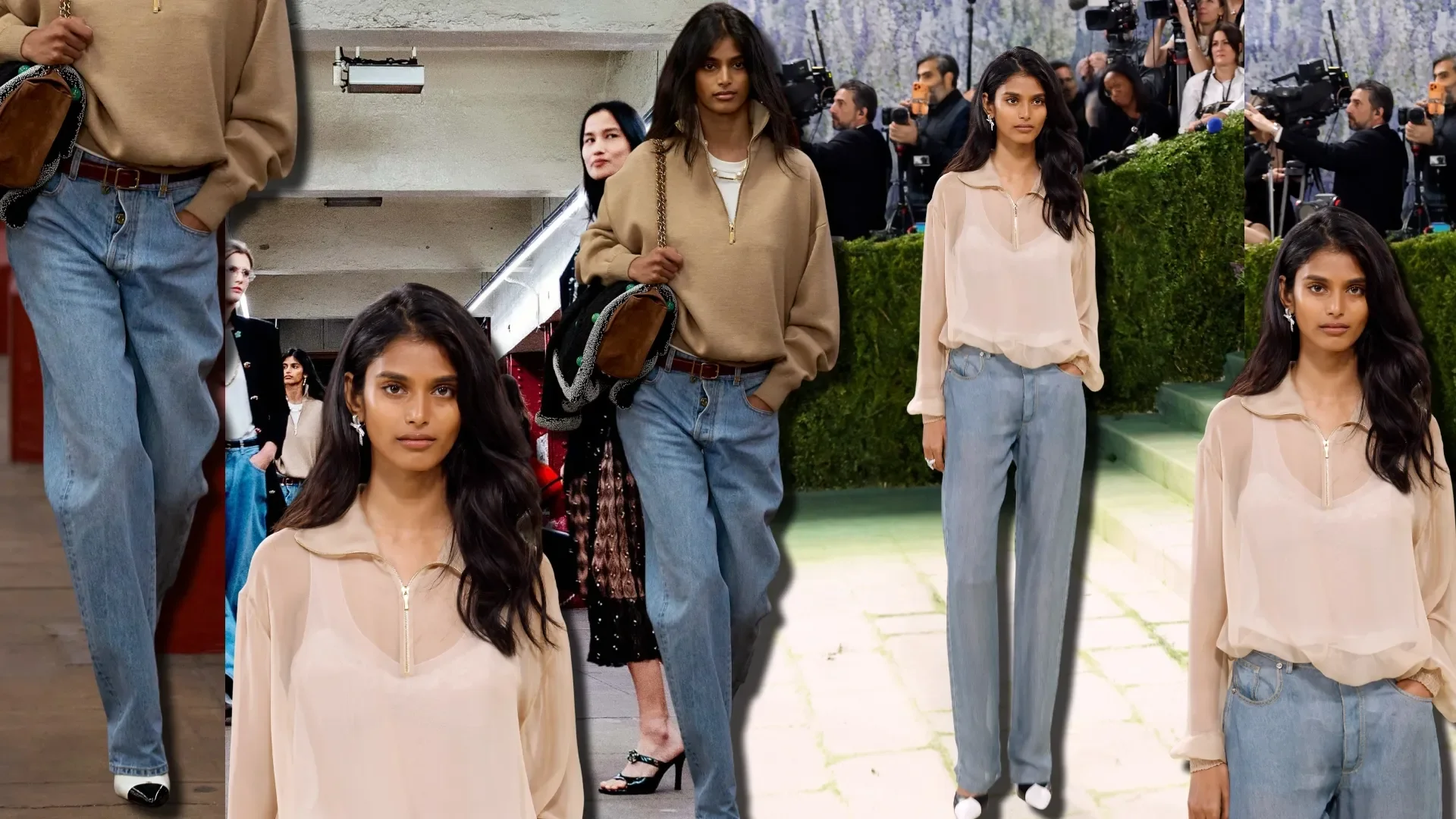
Image Credit: Marie Claire
The Pressure to Peacock
One thing I see often in modern dating is the pressure women feel to peacock. To become louder. Hotter. More stylish. More impressive. More emotionally available. More effortlessly feminine. More successful while somehow appearing low-maintenance.
And honestly, social media has made this worse. Women are constantly consuming images of curated perfection: perfect vacations, perfect bodies, perfect relationships, perfect engagement photos, perfect “soft life” aesthetics. Eventually, many women internalize the idea that love is something earned through optimization. “If I improve myself enough, maybe I’ll finally be chosen.” But that mindset is exhausting because it creates the belief that who you naturally are is never fully enough.
That’s why Bhavitha’s Met Gala moment fascinated me so much. Because in a room where everyone was trying to become larger-than-life, she walked in wearing something deeply tied to her real story. Not louder. Not flashier. Not trying to dominate attention. Just intentional. Grounded. Comfortable in herself. And ironically, that authenticity made her one of the most talked-about people of the night.
Authenticity Feels Riskier Than Performance
I think one of the hardest things for women in dating is learning how to show up authentically when they’ve been rewarded their entire lives for adaptation.
Women become experts at shape-shifting. The “good daughter” version. The “cool girl” version. The “boss woman” version. The “traditional wife” version. The “fun girl” version. The “low-maintenance” version. Sometimes women become so skilled at reading what others want from them that they stop asking themselves what actually feels natural.
And the scary part about authenticity is that authenticity risks rejection. Performance feels safer. If someone rejects the curated version of you, at least the real you remains protected. But there’s a hidden cost to constantly performing: Nobody fully knows you. And over time, that becomes deeply lonely.
I see this especially with high-achieving South Asian women. Women who are successful, accomplished, intelligent, and emotionally aware — but completely exhausted from trying to package themselves in ways that feel acceptable to everyone around them. At some point, many women realize they have spent years trying to become desirable instead of asking whether the relationships themselves are desirable for them. That realization changes everything.
The Most Magnetic Women Usually Aren’t Performing the Hardest
This is something I wish more women understood. The women who create the healthiest relationships are not necessarily the women performing femininity most perfectly. They’re often the women who feel grounded in themselves. Women who know: what they value, what they enjoy, what they tolerate, what they refuse, what kind of partnership they actually want, and what kind of life feels authentic to them. There’s a steadiness to them. And that steadiness becomes incredibly attractive because it creates emotional safety.
The healthiest relationships are rarely built on performance. They’re built on honesty. Can you speak honestly? Can you express needs honestly? Can you disagree honestly? Can you show emotion honestly? Can you exist without constantly monitoring yourself? That is intimacy. Not perfection.
There’s a Difference Between Effort and Self-Abandonment
Now to be clear, none of this means women should stop investing in themselves. You should absolutely take pride in yourself. Dress beautifully. Develop confidence. Pursue goals. Strengthen emotional intelligence. Work on communication. Care about your appearance and your growth. Effort is healthy.
But there’s a difference between growth and self-abandonment. Sometimes women become so focused on becoming desirable that they slowly disconnect from themselves in the process. And honestly, I think that’s one of the hidden lessons inside this year’s Met Gala. Some women used fashion to tell stories through grandeur. Some through maximalism. Some through heritage and craftsmanship. Some through spectacle.
And Bhavitha reminded us that softness, simplicity, and authenticity can tell a story too. You do not always need to become louder to deserve attention. You do not need to transform yourself into performance art to be worthy of love.
Because eventually, every relationship moves beyond the curated version. The makeup comes off. The rehearsed answers disappear. Real life begins. And the people who are truly aligned with you will not fall in love with the performance. They’ll fall in love with the woman underneath it.