When the Climate Changes, So Should the Courtship: What France’s Heat Wave Can Teach Us About Dating
Summer has always been the season when Americans flock to Europe.

JULIEN DE ROSA, AFP Via Getty Images
Every year, hundreds of thousands of visitors make their way to Paris to take photos in front of the Eiffel Tower, wander past Notre Dame, sit at outdoor cafés, and romanticize the effortless beauty of French life. But this summer, along with the croissants, cobblestone streets, and Instagram-worthy landmarks, tourists are also encountering something much less glamorous: sweltering heat.
And coming from America, it is absolutely noticeable.
I remember visiting France once as a child and being miserable in the summertime heat because there was no air conditioning anywhere. Restaurants, apartments, shops, even some hotels — everything felt beautiful, historic, and unbearably hot. At the time, it felt like a cultural quirk. Thirty years later, it feels like something more serious.
Because the summers are getting hotter. The heat waves are becoming more intense. And yet in many places, the day-to-day lifestyle has not adapted fast enough.
Of course, there is a much larger conversation to be had about climate change, emissions, sustainability, and the environmental cost of air conditioning. But there is also a very immediate human question: what do you do when people are experiencing heat exhaustion, illness, and even death, while the systems around them are still built for a climate that no longer exists?
That is where this becomes more than a travel observation. It becomes a dating lesson. Because South Asian dating has its own version of this problem.

The windows of a residential building are covered with emergency blankets to shield them from the sun, as temperatures rise in Paris. REUTERS/Gonzalo Fuentes
We inherited systems that once worked beautifully for a different environment: family introductions, community networks, biodatas, shared cultural expectations, and a clear path toward marriage. Those systems were not wrong. In fact, many of them were wise. They gave people structure, seriousness, accountability, and family support. But the dating climate has changed.
Today’s South Asian singles are navigating dating apps, delayed marriage timelines, long-distance relationships, career mobility, interfaith and intercultural dating, shifting gender roles, emotional compatibility, and families spread across cities, countries, and continents.
So the question is not whether tradition matters. The question is: are we trying to survive a modern dating heat wave with tools designed for a much cooler climate?
The Old System Worked Because the Old Conditions Were Different
One of the biggest mistakes we make when talking about tradition is assuming that if something needs to be updated, it must have been wrong in the first place. That is not true.
There was a time when European cities were not built around extreme summer heat because they did not need to be. The buildings, routines, and cultural habits were created for a different climate. If the summers were manageable, then opening windows, using fans, closing shutters, and taking breaks during the day made sense.
Similarly, many of our parents and grandparents were dating — or more accurately, marrying — in a completely different social climate.
They often lived closer to their communities. Families knew other families. Marriage timelines were earlier. Expectations around religion, language, caste, region, education, profession, and gender roles were often more clearly defined. There may not have been endless dating options, but there was also less ambiguity.
The system was designed for a world where the community did much of the filtering. Someone’s aunt knew someone’s cousin. A family friend made an introduction. A biodata gave the basic facts. Parents were involved early. Marriage was not treated as a vague future possibility; it was the purpose of the process. There was clarity in that.
And, to be honest, there is still something beautiful about that clarity. South Asian courtship has traditionally understood something that modern dating often forgets: marriage is not just about two people being attracted to each other. It is about values, family, lifestyle, responsibility, and long-term stability.
That wisdom is worth preserving. But what happens when the climate changes?
Refusing to Adapt Can Become Self-Sabotage
At some point, refusing to adapt stops being principled and starts becoming painful. In France, the resistance to air conditioning is not random. There are environmental concerns. There are cultural concerns. There are infrastructure concerns. There is a fear that air conditioning solves one problem while creating another. And all of that deserves to be taken seriously. But when the heat becomes dangerous, the conversation has to evolve.
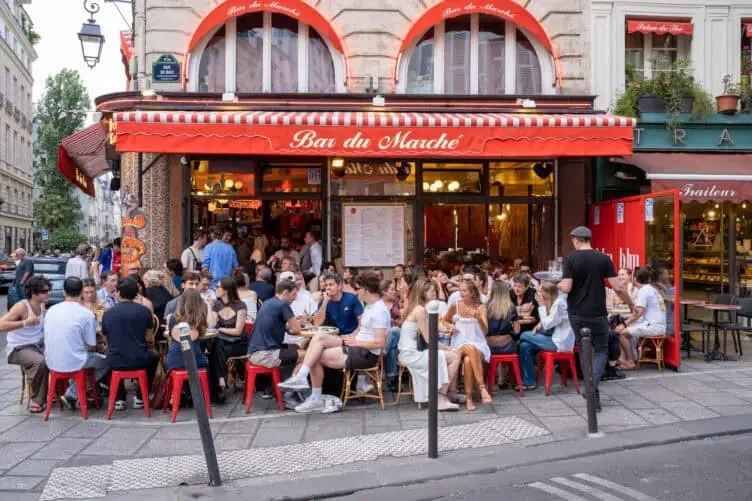
Paris cafes are mostly outdoor seating. Photo: everydayparisian.com
The same thing happens in dating. A South Asian single may say:
“I do not want to use dating apps.”
“I do not want to work with a matchmaker.”
“I do not want to do long distance.”
“I only want someone from my exact background.”
“I do not want to talk about emotional compatibility.”
“I want things to happen organically.”
“I want my parents involved, but I do not want them to control the process.”
“I want marriage, but I do not want the pressure of marriage.”
None of these preferences are inherently wrong. But if the current dating climate is not producing the results you want, then at some point you have to ask whether your process is protecting you or trapping you.
This is where many singles get stuck. They want a traditional outcome — marriage, commitment, family approval, shared values — but they are unwilling to use modern tools to get there. That is like wanting to preserve the beauty of a historic Parisian apartment while refusing to install anything that makes it livable in July.
You do not have to tear down the building. But you may need to update the systems inside it.
Adaptation Is Not Abandonment
This is the part that matters most for South Asian singles. Adapting does not mean abandoning tradition. Using a dating app does not mean you are rejecting marriage. Working with a matchmaker does not mean you failed at finding love. Going to therapy or coaching does not mean something is wrong with you. Talking about emotional compatibility does not mean family values do not matter. Setting boundaries with parents does not mean you do not respect them. Expanding your criteria does not mean culture is irrelevant.
For too many South Asian singles, there is an unspoken fear that if they change the process, they are betraying the past. But tradition was never meant to be a museum. Tradition was meant to help people build lives.
The point of family involvement was not to create anxiety. It was to provide wisdom and support. The point of biodatas was not to reduce people to résumés. It was to establish basic compatibility. The point of community networks was not to make people feel watched. It was to create trust. The point of marriage-minded dating was not to rush people into commitment. It was to encourage intentionality.
When those tools still serve us, we should keep them. When they stop serving us, we should update them.
Modern Dating Requires Modern Communication
One of the biggest changes in today’s dating climate is that people no longer share the same assumptions. Two people can both be South Asian, both want marriage, both be educated, both come from good families, and still have completely different ideas of what dating should look like.
One person may think exclusivity means deleting the apps. Another may think exclusivity means “we are not seeing other people, but we are not officially in a relationship.” One person may think meeting the family means marriage is around the corner. Another may think it simply means things are moving in a serious direction. One person may want parents involved early. Another may want to be emotionally sure before bringing family in.
This is why modern South Asian dating cannot rely only on assumptions. We need communication. Not vague communication. Not “let’s see where this goes.” Not “my parents are open-minded” when nobody has actually tested that statement. Real communication.
What are you looking for?

Image: Shutterstock
What timeline are you on?
How involved do you want your family to be?
What are your actual dealbreakers?
Are you open to relocation?
What role does religion play in your future home?
What does marriage mean to you day to day?
How do you handle conflict?
What kind of family system do you want to build?
These questions may not feel as romantic as a Paris café in the summer, but they are the ventilation system of a healthy relationship. Without them, everything gets hot, tense, and unbearable very quickly.
The Dating Climate Has Changed — So Should the Criteria
One of the most common places I see singles resist adaptation is in their criteria. They are often working from a list that was created for a different world.
Same language.
Same region.
Same caste.
Same profession.
Same city.
Same age range.
Same income bracket.
Same level of family involvement.
Again, none of these preferences are automatically wrong. Shared background can create comfort. Similar values can matter deeply. Family alignment can make a marriage easier. But when the list becomes so narrow that it eliminates good people before you ever get to know them, the criteria stop being helpful. They become insulation without airflow.
A modern South Asian single has to ask: Is this preference connected to my future happiness? Or is it connected to fear, image, family pressure, or an outdated idea of what makes a marriage successful?
Because the truth is, many strong marriages are not built by two people who match perfectly on paper. They are built by two people who know how to communicate, adapt, respect each other, and move through life as a team. That does not mean you should ignore values. It means you should know the difference between values and packaging.
Family Wisdom Still Matters — But It Cannot Replace Your Judgment
This is where the South Asian dating conversation gets especially complicated. Family can be one of the greatest strengths in our culture. Parents and elders often see patterns we miss. They may notice whether someone is respectful, consistent, serious, and aligned with the kind of life you want to build. That wisdom matters. But family input is not the same as family control.
In the old climate, family involvement often happened before emotional attachment. Today, many singles are dating independently, forming attachments, and then trying to bring family into the picture later. That creates a new tension. The family may feel excluded. The single may feel judged. The partner may feel like they are being evaluated by people who do not actually know them. This is why adaptation matters.
The answer is not to remove family from the process. For many South Asians, that would feel unnatural and even undesirable. The answer is to define the role family should play. Family can advise. Family can observe. Family can raise concerns.Family can ask important questions. But ultimately, the person entering the relationship has to live with the decision.
There is a difference between honoring your parents and outsourcing your life.
You Can Keep the Architecture of Tradition
The line I keep coming back to is this: You can keep the architecture of tradition while updating the systems that make it livable. That is the entire metaphor. You do not have to demolish the historic building. You do not have to reject everything your parents taught you. You do not have to pretend that culture, family, religion, or community do not matter. You do not have to date like everyone else just because you live in America. But you also cannot ignore the fact that the conditions have changed.
If the old process is making you anxious, stuck, overly rigid, or disconnected from real opportunities, then it may be time to adapt. Maybe that means being open to a different city. Maybe it means reconsidering a preference that is not actually tied to long-term compatibility. Maybe it means letting a matchmaker expand your perspective. Maybe it means having harder conversations earlier. Maybe it means involving family with clearer boundaries. Maybe it means admitting that “organic” dating is not working and choosing a more intentional path. Maybe it means realizing that your parents’ values are worth preserving, but their exact process may not fit your life.
The Real Question
The real question is not: Should we date traditionally or modernly?
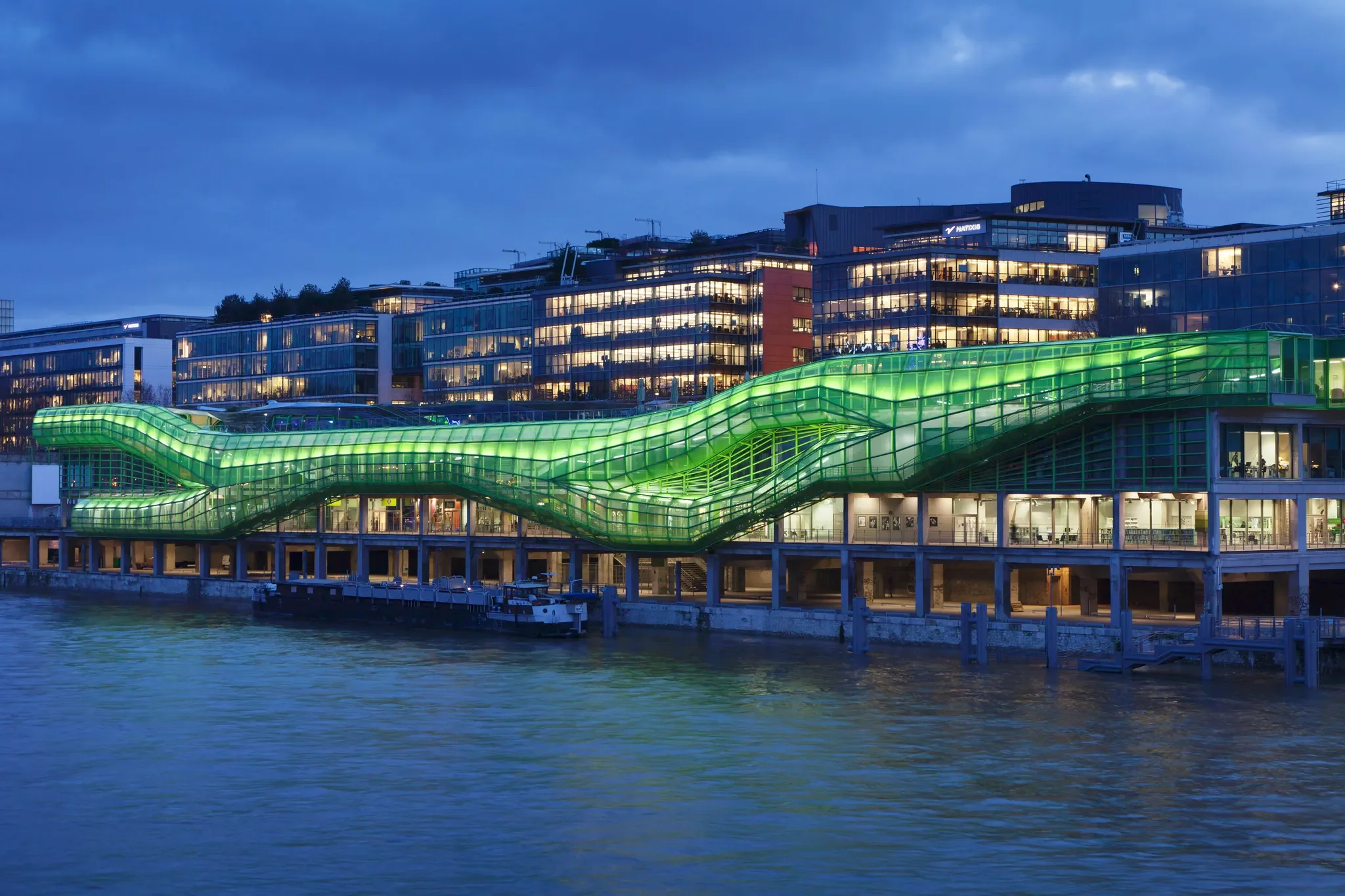
City of Fashion and Design Photo: Alamy Stock Photo
The real question is: What still protects us, and what now traps us?
Because tradition at its best protects people. It gives them roots, values, community, and accountability. But when tradition becomes rigid, it can also trap people in expectations that no longer match reality.
The same is true of modern dating. At its best, it gives people choice, autonomy, and the ability to build relationships based on emotional compatibility. But when modern dating becomes endless options, unclear intentions, and commitment avoidance, it also traps people.
So maybe the goal is not to choose between old and new. Maybe the goal is to be wise enough to know what to preserve and brave enough to know what to update. Because when the climate changes, pretending nothing has changed does not make you traditional. It just makes you uncomfortable. And in dating, as in life, discomfort is often the first sign that something needs to shift.
The goal is not to abandon the past. The goal is to build a future that people can actually live in.