Dallaspuram, Matrimony, and the Changing American Dream for Telugu Families

Instagram @ETnow
Living in Dallas—affectionately known among the Telugu community as Dallaspuram—I’ve watched generations of families settle here, drawn by education, career opportunities, and the promise of building a secure, prosperous life. From Hyderabad to Amaravati, parents have long encouraged their children to study in the U.S., work in the thriving IT and tech industries, and eventually start families. In this ecosystem, marriage has always been more than love—it’s a combination of family, financial security, and social mobility.
For decades, the “American sambandham”—the practice of marrying into the U.S.—has represented the pinnacle of that dream. Parents dreamed of sending their children abroad not just to study, but to meet a life partner who is settled in the U.S., providing stability, opportunity, and prestige. This was the ultimate multigenerational strategy: the children benefit from global education and career opportunities, the family enjoys enhanced social status, and economic investments in weddings, homes, and businesses often pay off in long-term security.
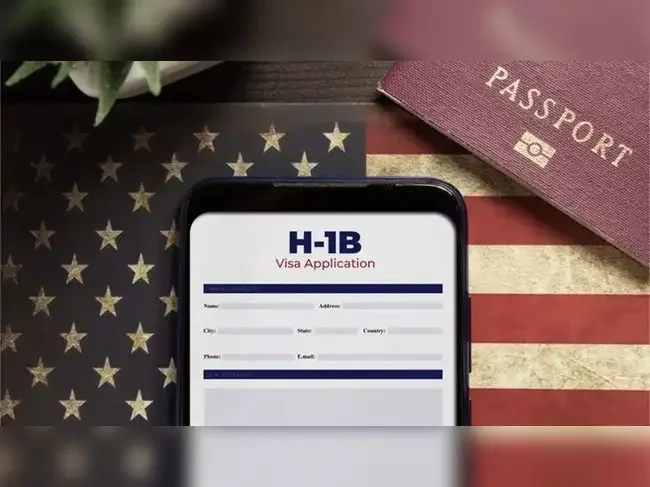
But recent policies under former President Trump have fundamentally disrupted this vision. The $100,000 H-1B visa fee hike, stricter visa approvals, and aggressive immigration policies have created unprecedented uncertainty for young Telugu professionals and their families. Graduates who once planned to build careers in the U.S. now face the stark reality that their visa status may not be guaranteed. Employers hesitate to sponsor H-1Bs, international students are reconsidering whether to even pursue studies in the U.S., and families are grappling with whether marrying into the U.S. is still viable.
The implications are profound. Marriages, which traditionally brought together families across continents, are now evaluated through a lens of immigration practicality. Brides’ families increasingly prefer grooms who already have permanent residency or citizenship, while young men and women reconsider overseas matches altogether. For many, the dream of marrying into the U.S. and securing a “stable” life is fading—what was once a symbol of success is now a potential source of stress and risk.
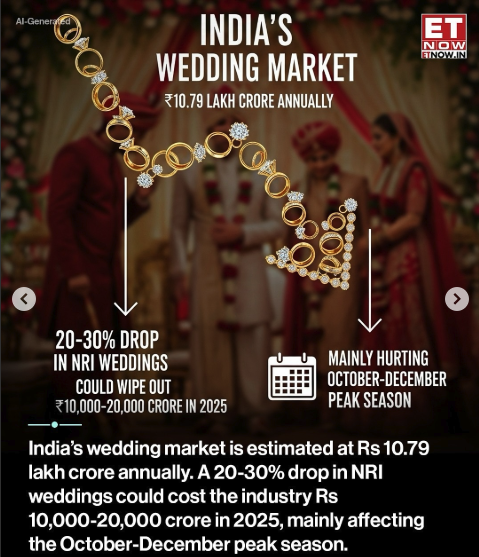
This isn’t just a personal or family matter; it ripples through the Telugu community’s niche economy. NRI weddings, which supported wedding planners, caterers, decorators, photographers, and even matchmaking agencies, are seeing disruptions. Couples who once envisioned lavish international weddings are canceling plans or redirecting budgets. Families are reevaluating investments in cross-border marriages, education, and relocation logistics. The impact even reaches local U.S. businesses in Dallaspuram, which thrived on the community’s international ties.
Having lived in Dallas and spent the last few years learning about Telugu culture, I’ve seen firsthand how deeply this intertwines with identity and belonging. Marrying into the U.S. was not just about opportunity; it was about legacy. Families planned for decades, balancing cultural traditions, career ambitions, and the hope that children would thrive in America. Now, that carefully curated pathway is suddenly uncertain, prompting both heartbreak and pragmatism.
Practical Advice for Singles Considering International Matches
etimes.in
For South Asian singles navigating this landscape, understanding these dynamics is essential. Your marriage decisions are no longer purely about compatibility—they also intersect with immigration realities, financial planning, and family expectations. A few practical steps can help:
Know your match’s visa or citizenship status: This is not a taboo topic—it’s essential for planning a stable future.
Consider long-term financial implications: International relocations and visa sponsorships come with costs that can affect both families.
Be open to alternative options: Matches already settled in the U.S. or other countries might be more practical in today’s climate, but singles can also explore creative solutions for long-distance or hybrid arrangements.
Prioritize transparency with families: Both sides should have honest conversations about expectations, timelines, and legal realities to avoid surprises later.
Impact on Matchmaking Businesses and Niche Wedding Economies
Instagram @ETnow
The ripple effects of visa restrictions and immigration uncertainty extend beyond personal relationships. Matchmaking agencies that once relied on a steady stream of international clients now see cancellations or delays. Wedding planners, caterers, photographers, and venues face similar disruptions, particularly for NRI weddings that involve elaborate travel and coordination. Some businesses are pivoting—offering virtual wedding planning, local-only events, or hybrid ceremonies—but the economic impact is undeniable.
For entrepreneurs serving the Telugu and broader South Asian communities, this is a moment to innovate. Services that combine cultural tradition with practical immigration guidance, or that help families navigate smaller-scale weddings, are more important than ever. At the same time, singles and families must approach marriage with both heart and pragmatism, recognizing that tradition and modern realities must now coexist more carefully than ever.
Trump’s policies have, in many ways, ended the “classic” American dream for Telugu families: the promise of easy mobility, secure work, and cross-continental marriages. But this doesn’t mean hope is gone. Families are adapting, matchmaking strategies are evolving, and singles are finding new ways to honor tradition while navigating modern realities. The Telugu community in Dallaspuram continues to thrive, but with a keen awareness that stability now depends on careful planning, flexibility, and informed decision-making.
For me, as a matchmaker and relationship coach, this is a reminder that marriage is never just personal—it’s political, economic, and cultural. Helping families and singles navigate these changes, while preserving the richness of tradition, is more important than ever.